
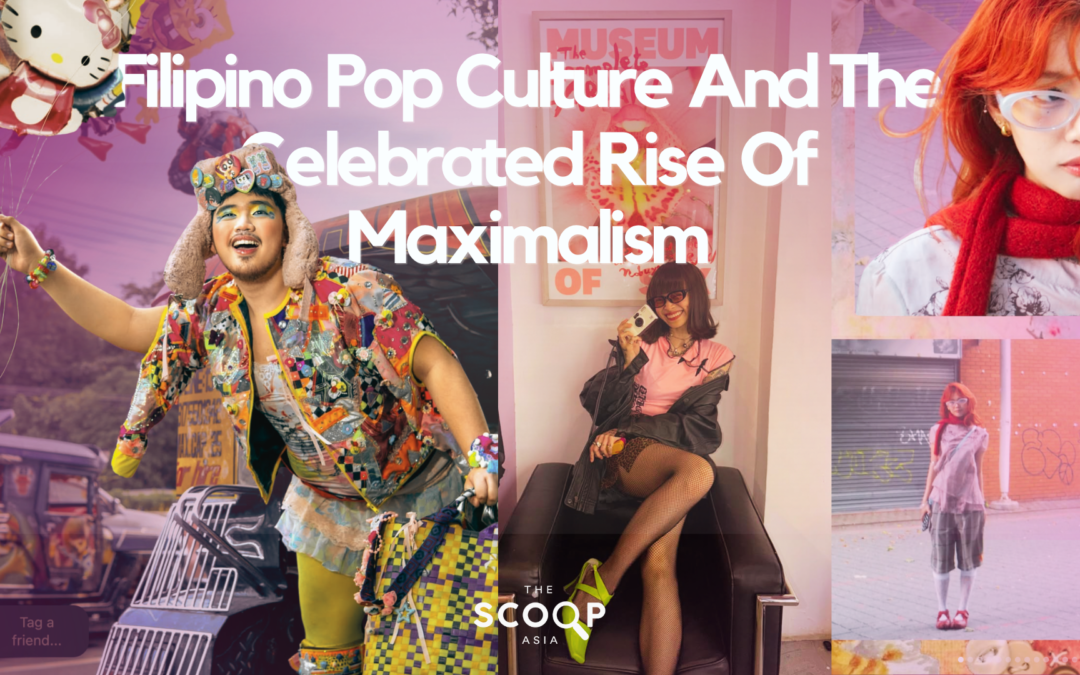
Remember standing in your grandmother’s living room? The walls were likely adorned with oversized wooden spoons, woven fans, and heavily framed family portraits. The dining table probably featured a bright floral vinyl cover, layered with mismatched ceramic plates and a centerpiece of artificial fruits.
A few years ago, while scrolling through social media feeds filled with stark beige rooms and rigidly neutral wardrobes, you might have felt the urge to hide these loud, colorful pieces. Many of us packed away our vibrant woven textiles and toned down our personal styles, chasing a clean, highly curated aesthetic. We wanted to fit into a sleek modern mold, leaving our vibrant roots packed away in boxes.
Yet, looking around today, those vibrant, overflowing aesthetics are reclaiming the spotlight. The rise of maximalism in Filipino pop culture is bringing our bold heritage back into our homes, our favorite hangouts, and our closets, proving that our love for color and texture was never truly lost—it was just waiting for the right moment to bloom again.
How our colorful roots slipped out of focus
For a long time, the pressure to conform to strict, minimalist standards made us second-guess our cultural inclinations. Women, especially, felt the need to streamline their lives, from adopting capsule wardrobes consisting only of grays and whites to designing living spaces devoid of clutter and personality. In the pursuit of looking sophisticated, the overflowing charm of Filipino design was pushed aside.
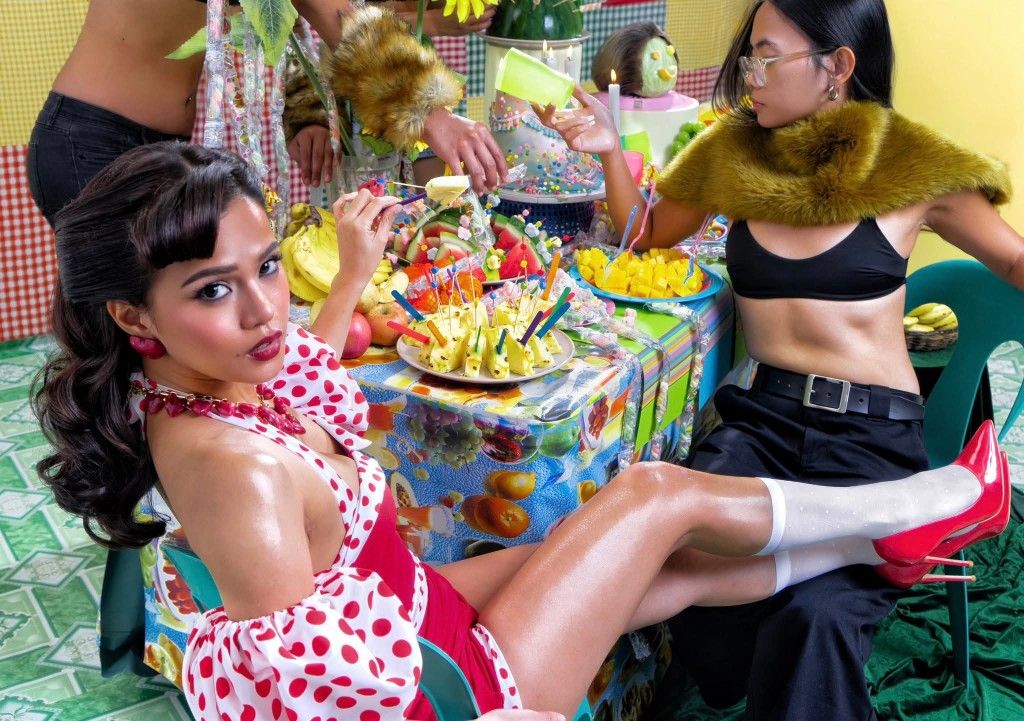
We were subtly taught that “more” meant chaotic, and we slowly edited out the vibrant prints, the layered gold jewelry, and the proudly displayed sentimental trinkets that told our family stories.
Why Filipino maximalism was always alive
Despite the beige filters placed over our feeds, the true essence of Filipino pop culture never faded. Our culture is inherently built on abundance, community, and expression. You only need to look at the daily commute to see it: the intricate calligraphy of our carinderia signs, the jeepneys as canvases of maximalist art, covered in neon painted signs, tassels, and silver decals. Our sari-sari stores remain colorful patchworks of hanging snacks and bright advertisements.
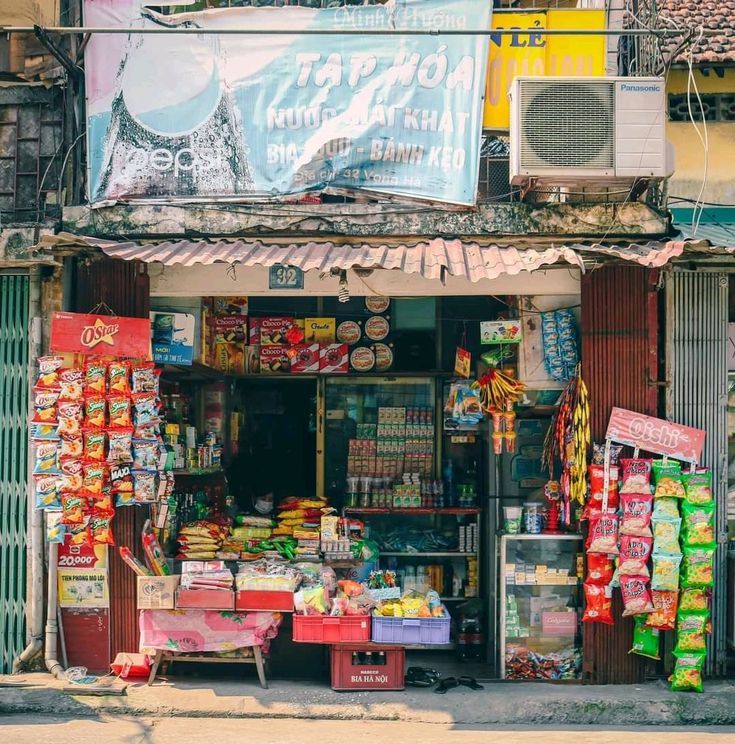
Deep down, our preference for layering, mixing, and accumulating joyful items stayed intact. We are women raised in a culture of fiestas, where tables groan under the weight of diverse dishes and streets are strung with rainbow-colored banderitas. That rich visual language stayed in our DNA, even when we tried to suppress it.
How Filipinos are championing “whimsy” fashion
Today, the tide has turned, and this vibrant energy is globally celebrated across digital platforms. Filipino content creators are proudly stepping into their power by embracing “whimsy fashion”, a joyful, highly expressive form of maximalism.
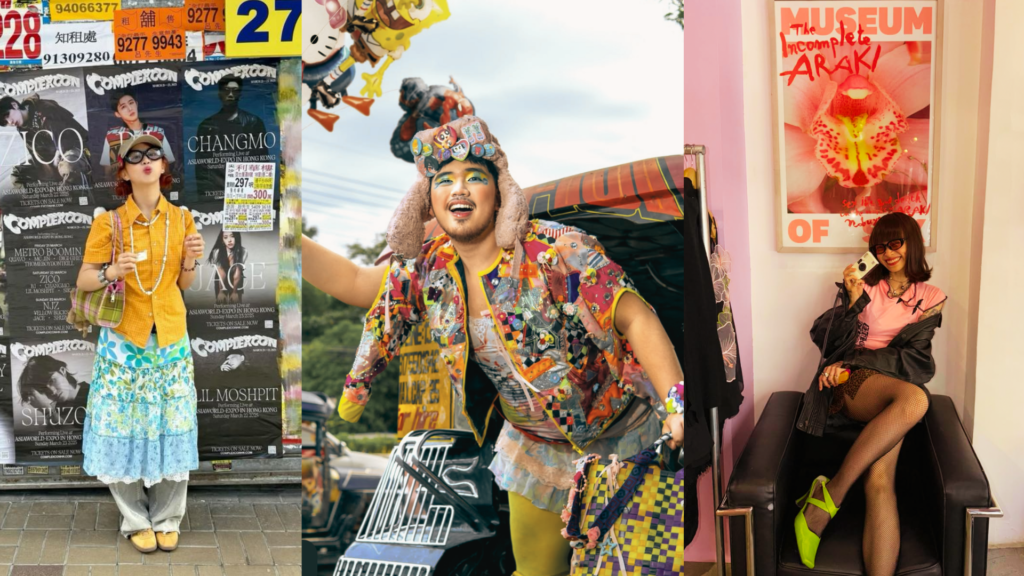
(BINI Maloi, Iceeneoo, Shaira Luna)
We are seeing a beautiful resurgence of Filipinos layering ruffled blouses with vividly printed skirts, piling on beaded necklaces, and freely mixing bold vintage pieces with everyday denim. This whimsy aesthetic allows us to tell our unique stories and actually have fun with our wardrobes, rejecting sterile styling rules. It gives us permission to take up space, showcasing our complex identities and heritage beautifully and without apology.
Finding warmth in maximalist third spaces
This cultural shift extends well beyond our outfits and directly into the places where we gather. For years, the popular aesthetic for cafes and third spaces leaned heavily into stark, industrial designs. Now, we are gravitating toward environments that feel authentically inviting.
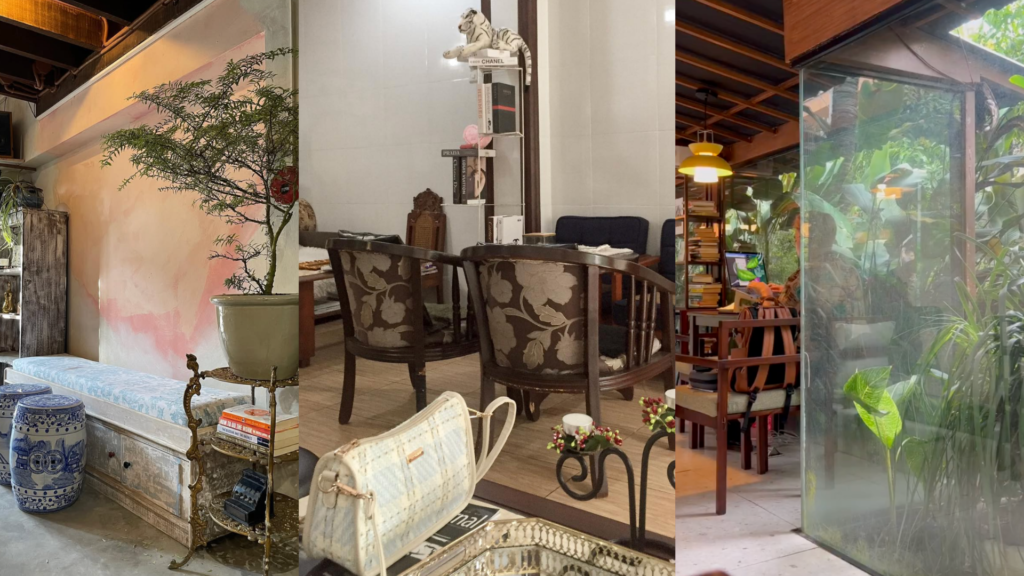
(Humble Table PH, Sanjors Cafe, Glasshouse Coffee)
Local coffee shops and creative hubs are fully embracing maximalist design, filling their spaces with mismatched vintage chairs, walls densely packed with local art, lush tropical plants, and richly colored tiles. These spaces resonate with us deeply because they mirror the warmth and abundance of a traditional Filipino household. They offer a comforting, stimulating atmosphere where women can gather, work, and connect while feeling completely at home.
Embrace the bold beauty of your heritage
The return of maximalism is a beautiful reminder that our colorful, layered, and deeply sentimental culture is something to be celebrated, not hidden. You no longer need to edit down your life to fit a narrow aesthetic. Bring out those bright textiles, layer your favorite accessories, and let your environment reflect the true abundance of your history.
